

Reproducible human kidney organoids for translational discovery.
Generate physiologically relevant 3D kidney organoids from human pluripotent stem cells using abm's validated differentiation medium workflow.
Engineered for consistency, scalability, and translational renal research, this workflow supports organoid formation with nephron-like architecture, multi-lineage renal marker expression, and functional uptake assays.
Human Kidney Organoid Differentiation Medium Kit at a glance
abm's Human Kidney Organoid Differentiation Medium Kit contains five uniquely formulated media designed to guide human pluripotent stem cells into complex 3D kidney organoids containing multiple renal cell populations. The resulting organoids self-organize into nephron-like structures that recapitulate key aspects of human kidney development and functionality.
- Cat. No. TM209: Human Kidney Organoid Differentiation Medium Kit.
- Core output: Reproducible 3D kidney organoid-like structures with complex architecture.
- Research fit: Nephrotoxicity screening, drug screening and discovery, disease modelling, and regenerative medicine.
From Stem Cells to Functional Kidney Organoids
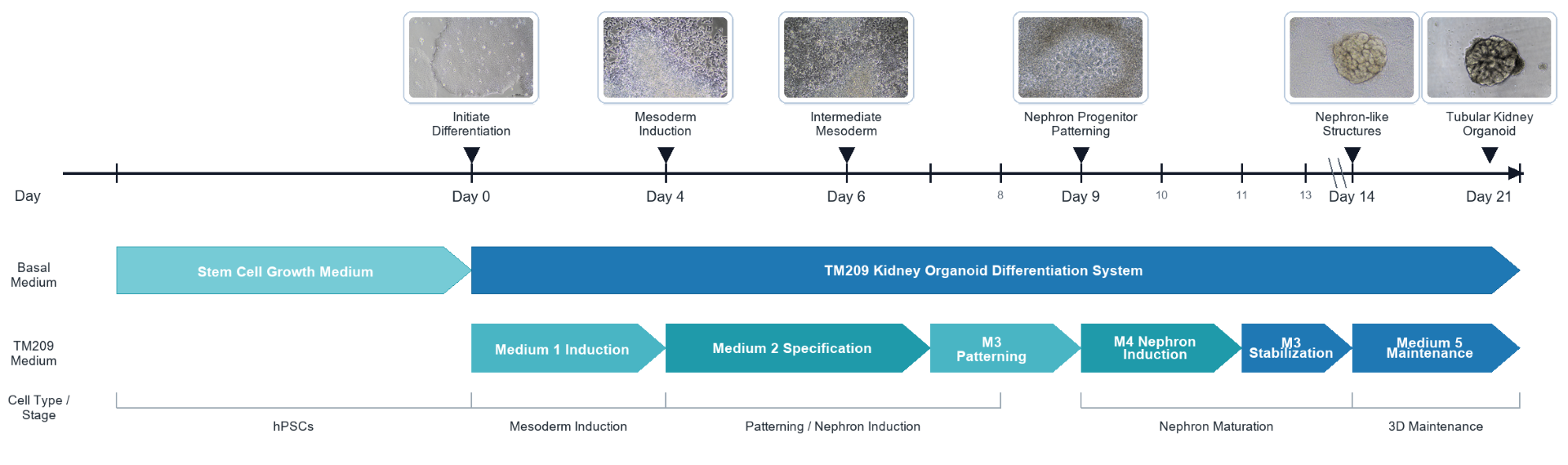
Representative workflow and timeline showing the progression of embryonic stem cells (ESCs) from compact colonies through early differentiation and three-dimensional aggregation to mature kidney organoid-like structures with complex architecture, consistent with successful kidney organoid formation.
Validation Data – Characterized for Structure and Function
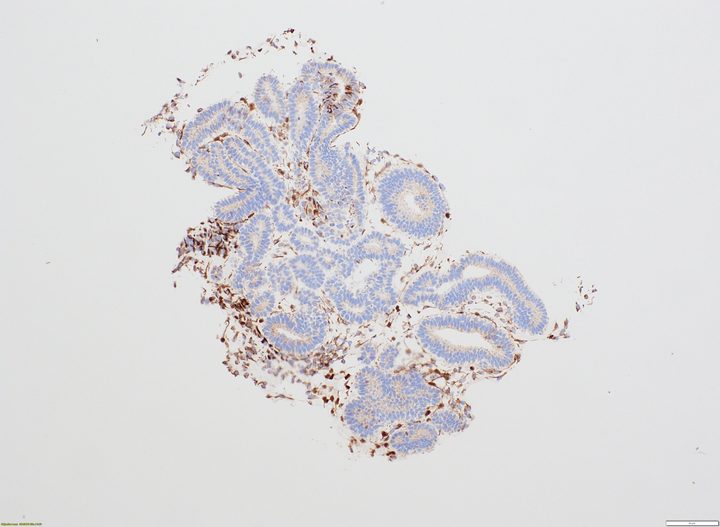 WT1 IHC
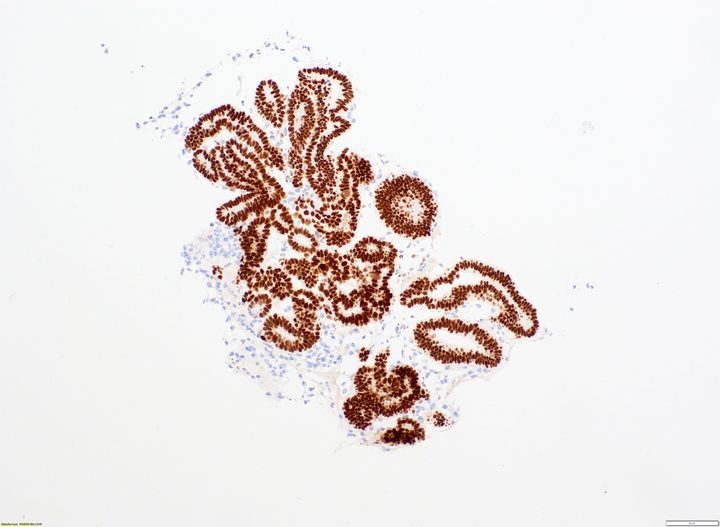 PAX8 IHC
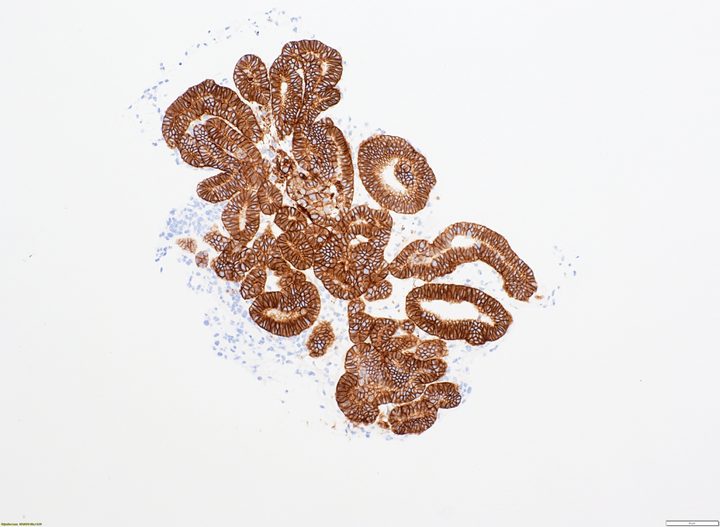 EPCAM IHC
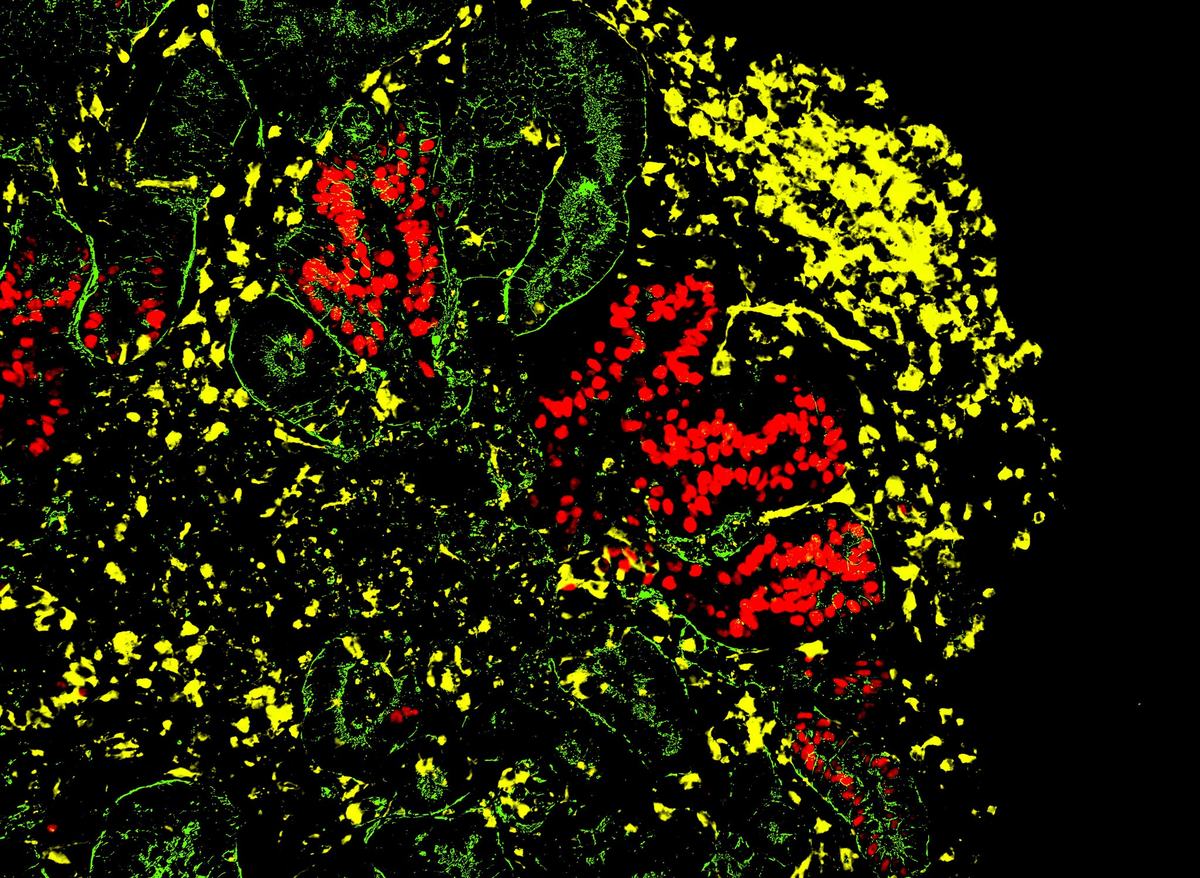
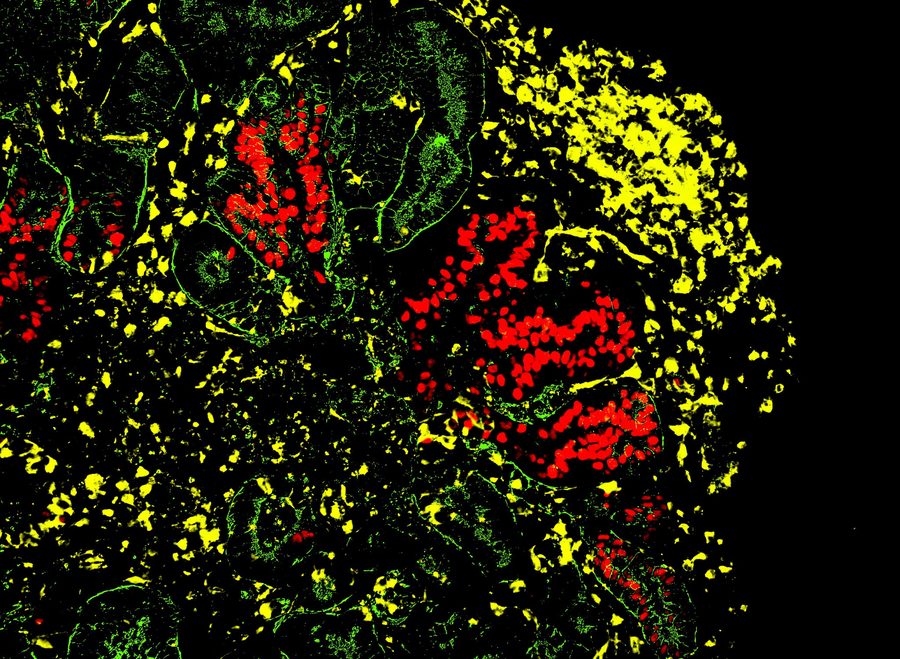 WT1 / GATA3 / LTL IF
IHC and immunofluorescence marker characterization
Representative kidney organoid staining shows renal lineage markers associated with podocyte, epithelial, collecting duct, and proximal tubule-like structures.
- WT1: supports podocyte-like lineage characterization.
- PAX8 and EPCAM: support renal epithelial/tubular epithelial identity.
- GATA3 and LTL: support collecting duct-like and proximal tubule-like structures.
- Red = GATA3, Green = LTL, Yellow = WT1
2-NBDG glucose uptake assay
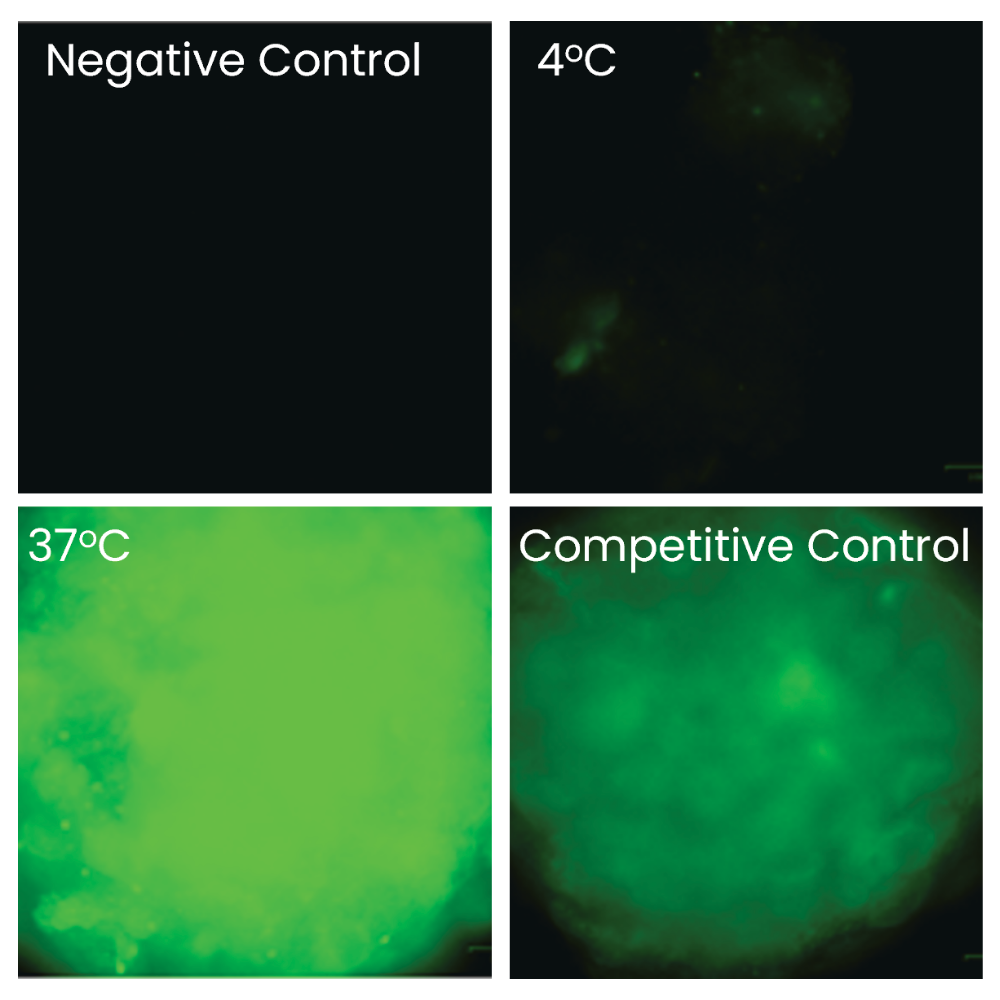
Representative images from an 2-NBDG assay measuring glucose uptake in kidney organoids.
- Negative control: no dye background normalization.
- 4°C control: minimal transporter activity condition.
- Competitive control: excess unlabeled D-glucose inhibits uptake signal.
- 37°C sample: active uptake and metabolic function readout.
FITC-albumin uptake assay
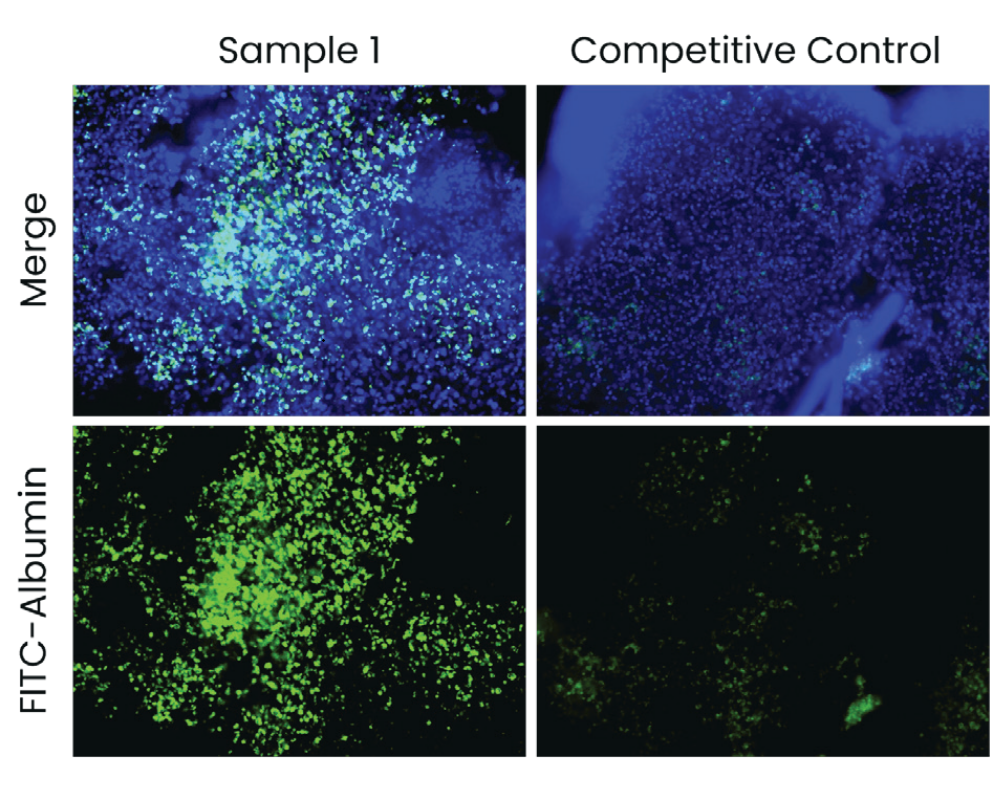
FITC-albumin uptake supports proximal tubule-like functionality in differentiated kidney organoids. The assay compares uptake signal against background and competitive inhibition controls.
- No dye control (not shown): normalizes background fluorescence.
- Competitive control: excess unlabeled BSA (100×) reduces specific FITC-albumin uptake signal.
- 37°C sample (Sample 1): assesses active albumin uptake and proximal tubule-like function.
Key Applications
Nephrotoxicity Screening
Evaluate renal toxicity responses in physiologically relevant human kidney organoid models.
Drug Screening & Discovery
Accelerate translational discovery using scalable, reproducible 3D kidney organoids.
Disease Modelling
Model kidney development and disease phenotypes with nephron-like structures.
Regenerative Medicine
Support stem cell and organoid-based regenerative medicine research workflows.
Support Materials
Complementary products for kidney organoid culture, handling, dissociation, freezing, and plate-based 3D workflows.
Additional Research Support
To further support of 3D biology and organoid researchers, abm also provides gene tools and cell engineering services to help advance pathway discovery, model development and disease, and screening workflows.
The abm Difference
More than a supplier, abm is your research partner — delivering trusted quality, rapid access, and expert support from project start to publication.
Ship-Ready Inventory
Our in-stock collection is prepared for fast fulfilment, helping you reduce downtime and move from planning to benchwork without unnecessary delays.
Scientist-to-Scientist Support
Our PhD-level team works with you directly to help identify the right model, recommend culture conditions, and support more complex study design questions.
Complete Documentation
Each order includes essential documentation such as CoA, passage history, culture guidance, and mycoplasma test reports for streamlined lab integration.
Trusted by Thousands
abm cell lines support work across oncology, pharmacology, respiratory biology, and molecular biology, helping researchers generate reliable data backed by trusted materials.